
In episode 3 of The Gardener, we visit the International Peace Garden with CEO, Tim Chapman. The International Peace Garden straddles the border between North Dakota and Manitoba, just about 20 minutes south of Boissevain, Manitoba. It was the dream of Dr. Henry Moore of Islington, Ontario who belonged to an international horticulture association. Dr. Moor presented the idea and a meeting in New York in 1928 and the following year, at a meeting in Toronto, the deal was done.
On its first board of directors sat many luminaries of the day, two of whom were Lady Eaton and Mrs. Henry Ford. When the garden opened in 1932, more than 50,000 people from both sides of the border attended the ceremonies in what as then wilderness with very little road access, They came on foot and by horse and buggy and in their Model Ts and other vehicles of the day.
During the 30s the US Parks Services used the garden as a work site for many folks and the initial structures were created, including the beautiful historic lodge. Gradually and with the help of many organizations and individuals, the garden as we know it today took shape. Highlights include the formal garden and pond at the centre of the axis in the design. This is also where the beautiful conservatory and cactus garden is located. The International Music Camp is usually humming with young people in the summer as has been the International Sports Camp, both of which are on hold during COVID.
The garden is currently going through a major rehabilitation program as we prepare for a fundraising campaign to rebuild the peace tower, which was torn down due to structural issues, and to complete the original dream of creating a conflict resolution centre here at the heart of the continent.
Your host, Dorothy Dobbie, is currently taking on the role as chair for the next three years.
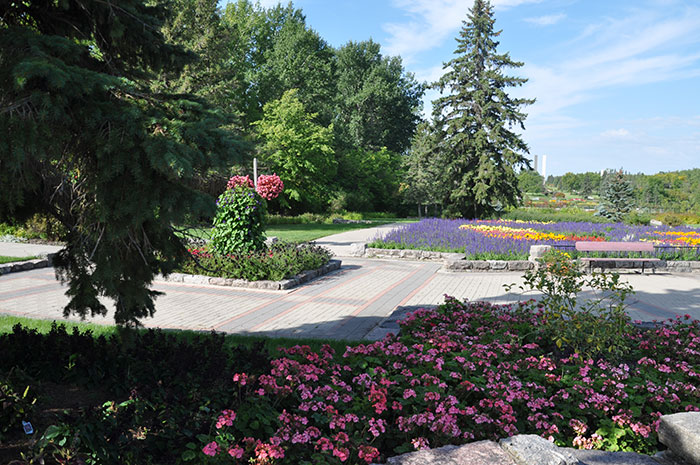
A view overlooking the plaza. 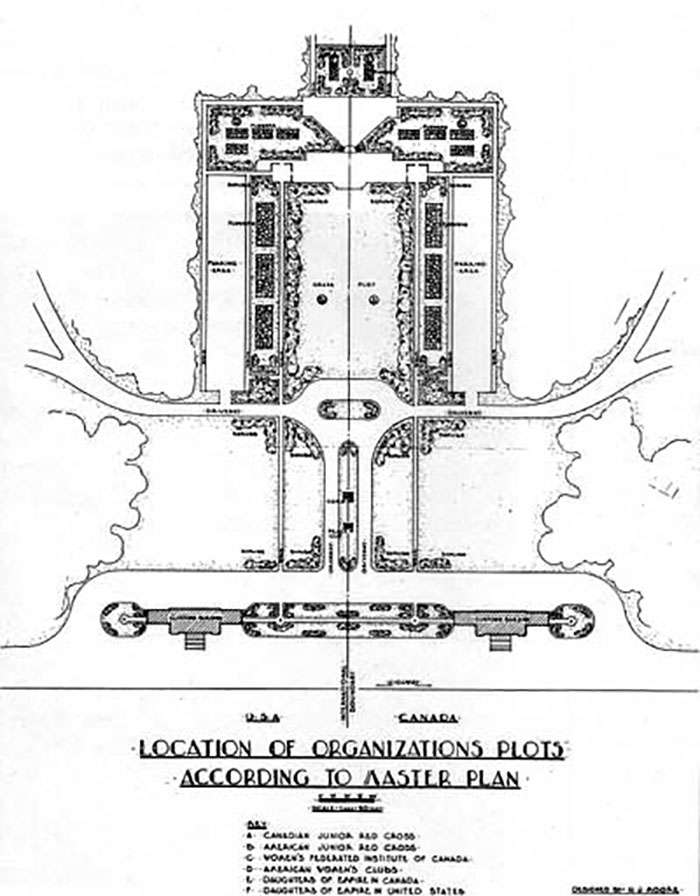
And ealry plan of the garden. 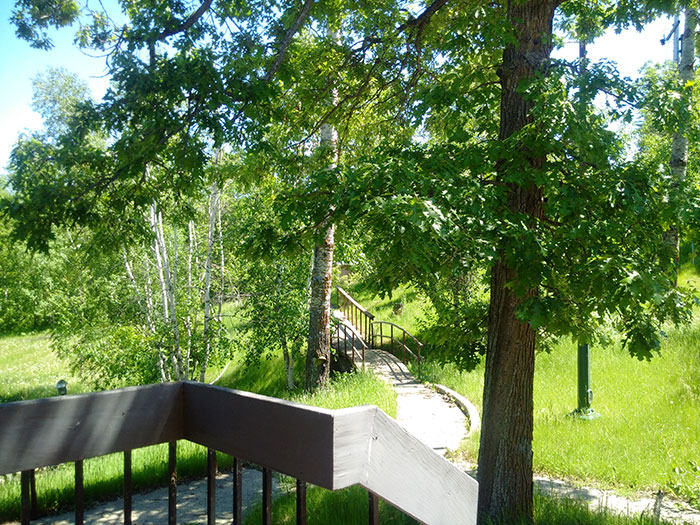
At the Willis Pavillion. 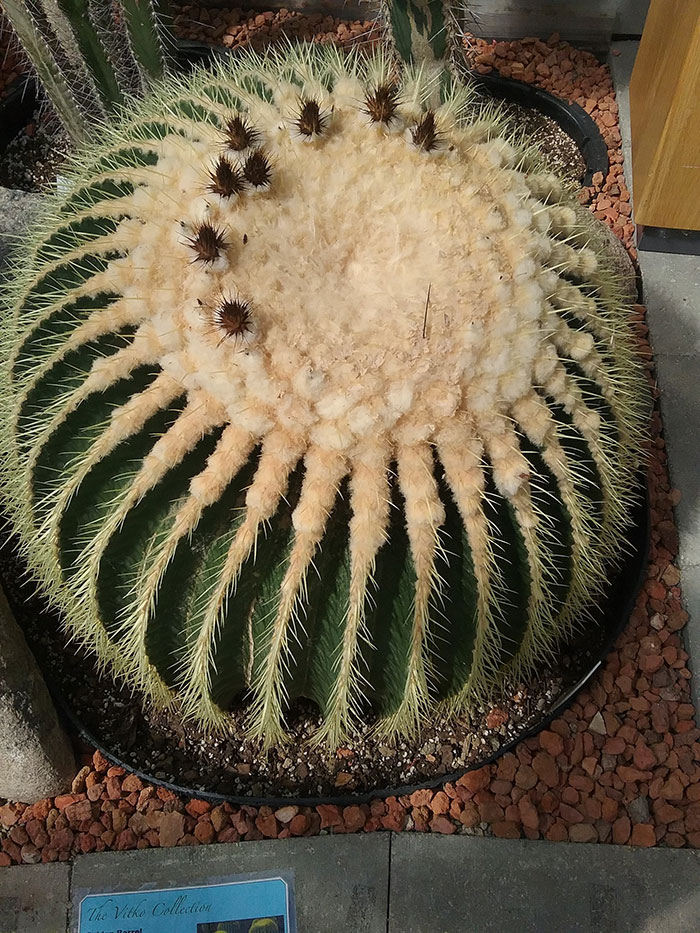
Barrel cactus. 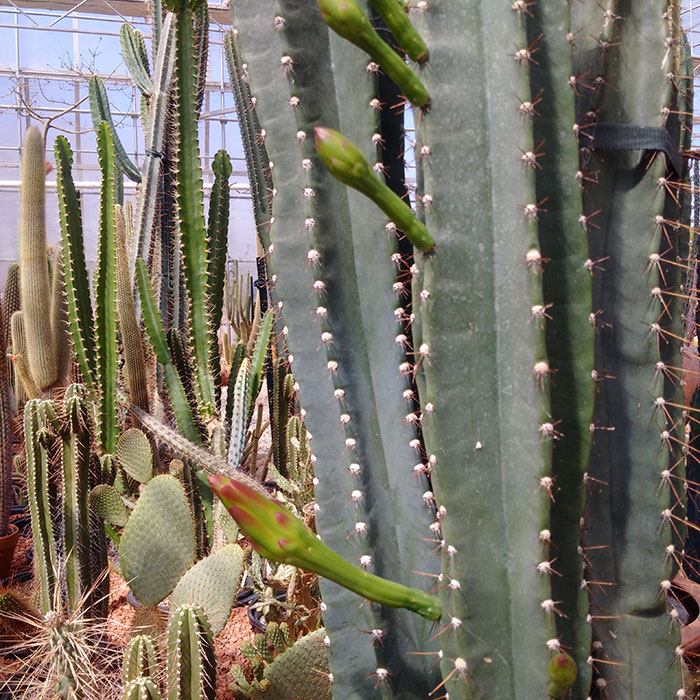
Cactus in bud. 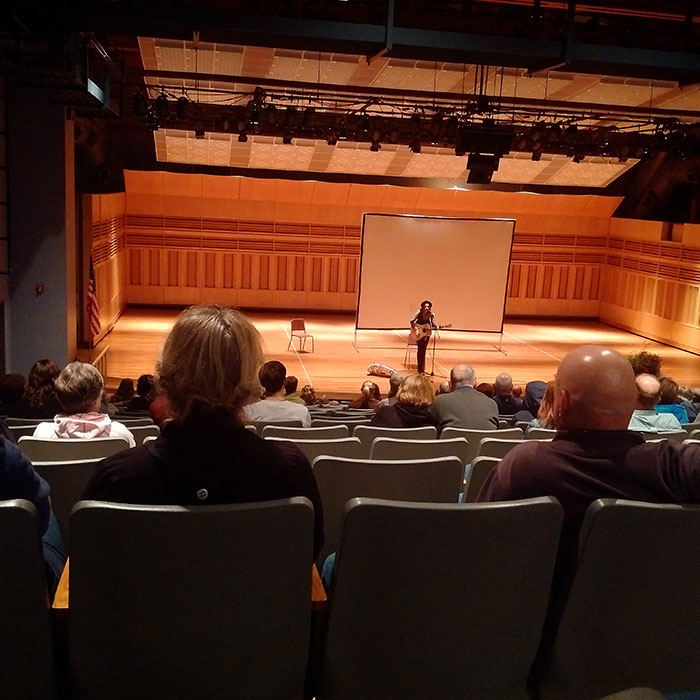
Concerrt wit Sirra Noble at the Auditoriuim. 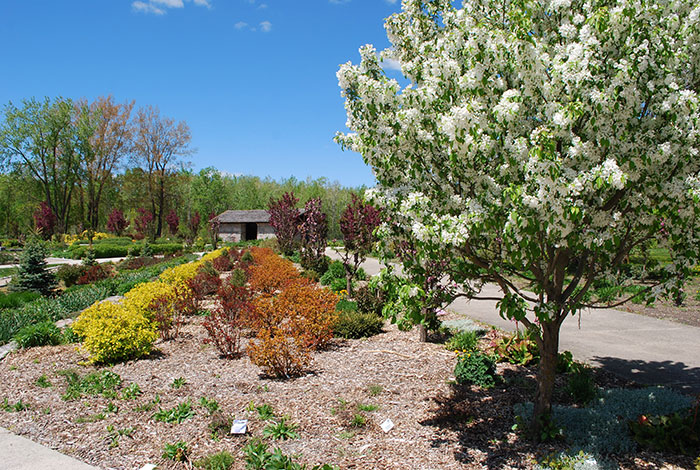
Early spring. 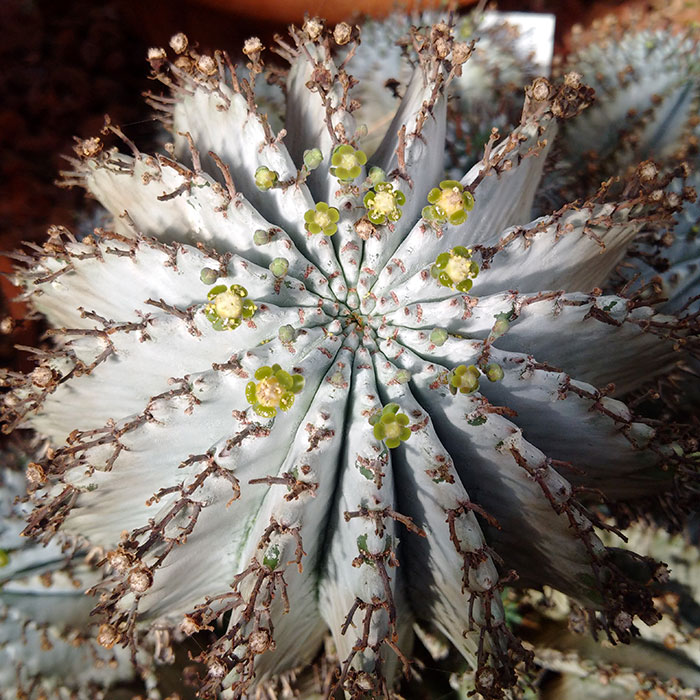
Fantastic shapes and flowers. 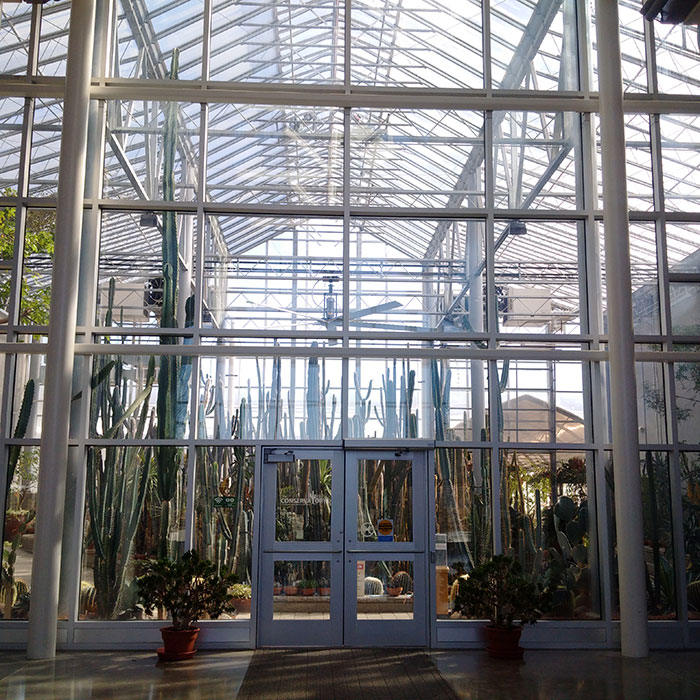
From iniside the Conservaroty. 
Historic Lodge. 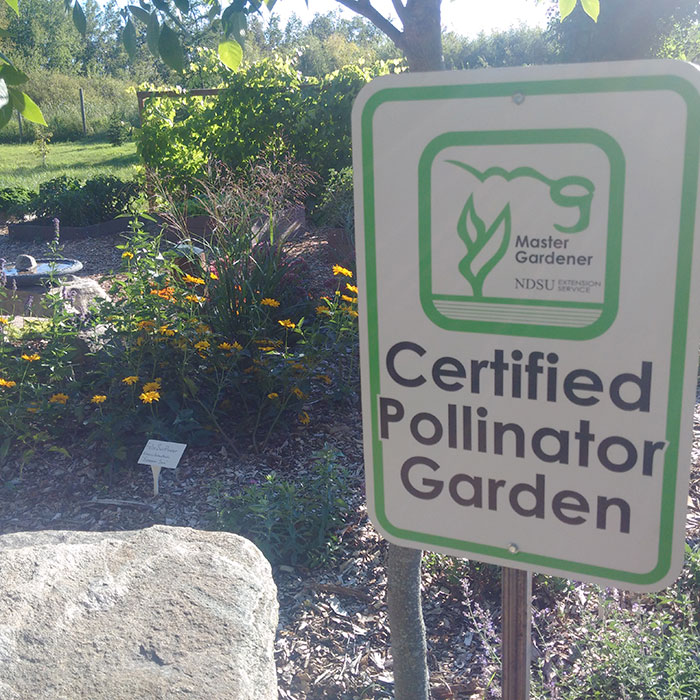
How to collect butterflies and bees. 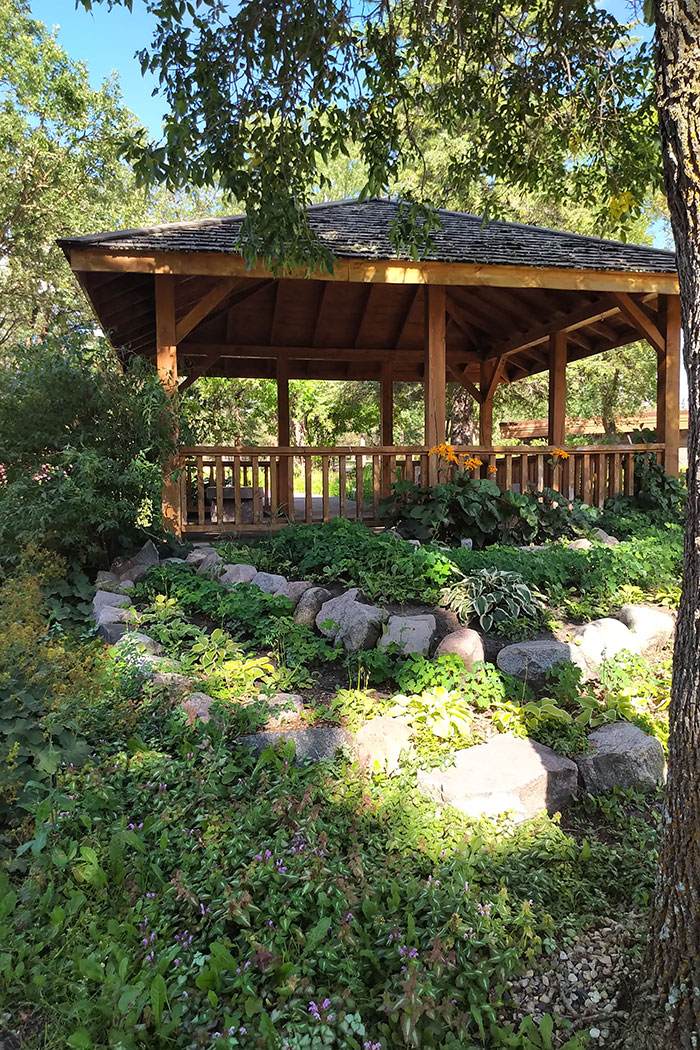
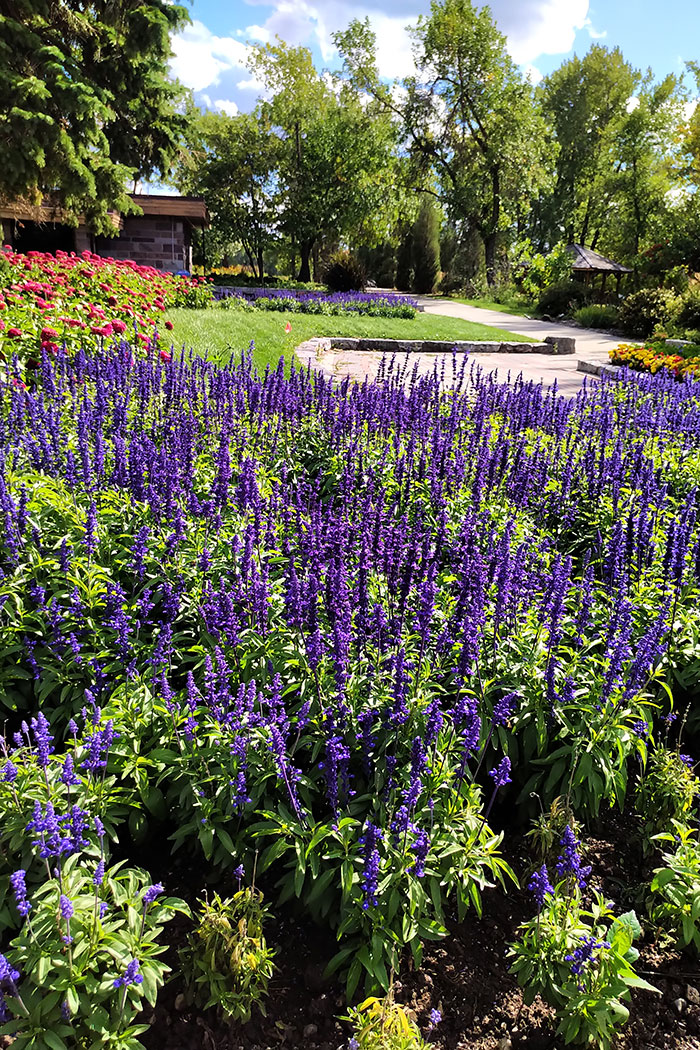
In full August bloom. 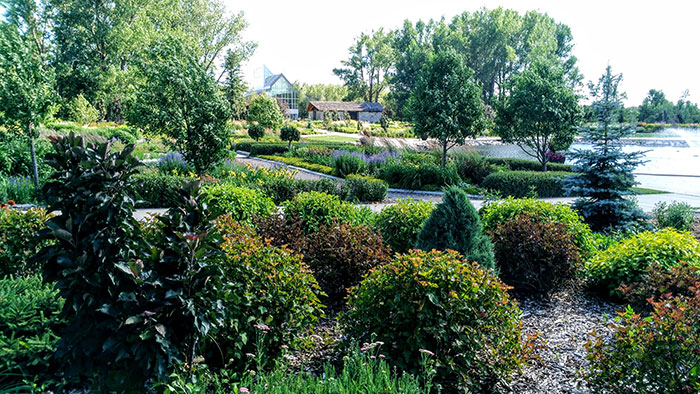
In full blooom. 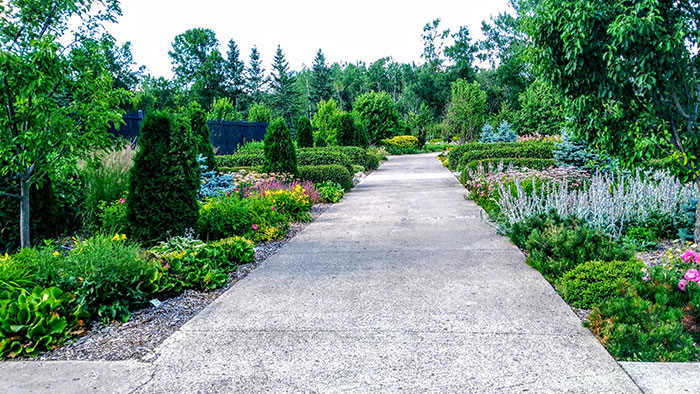
In the formal garden. 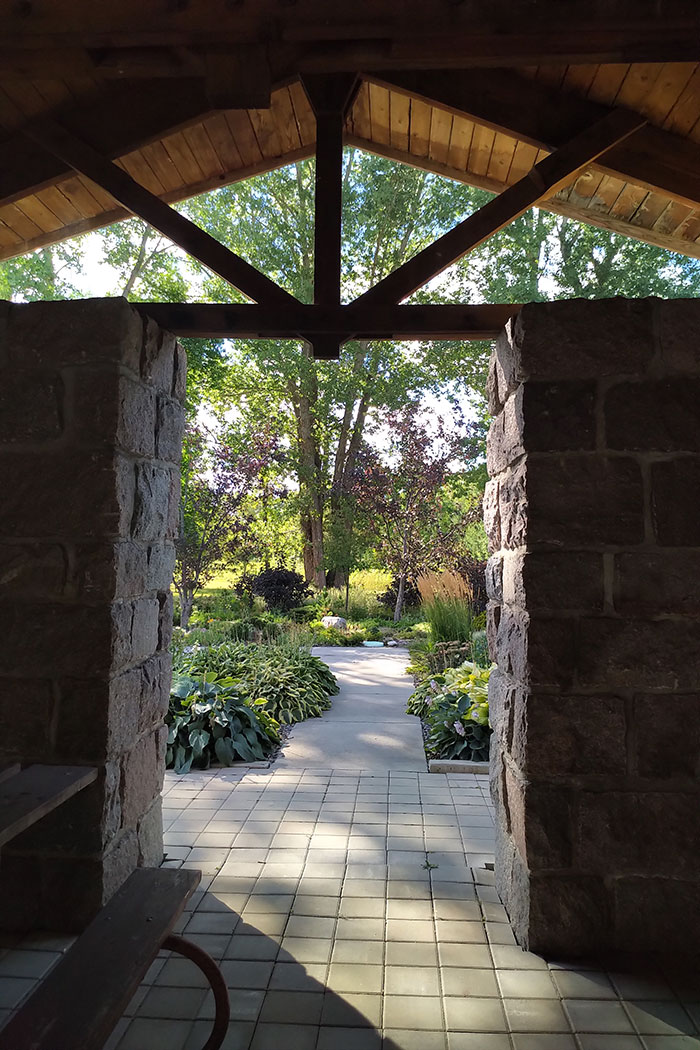
Inside picnic shelter looking out. 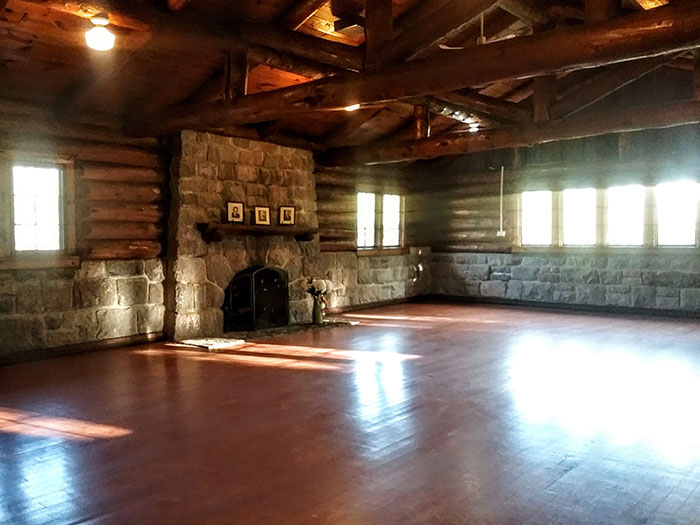
Inside the Heritage Lodge. 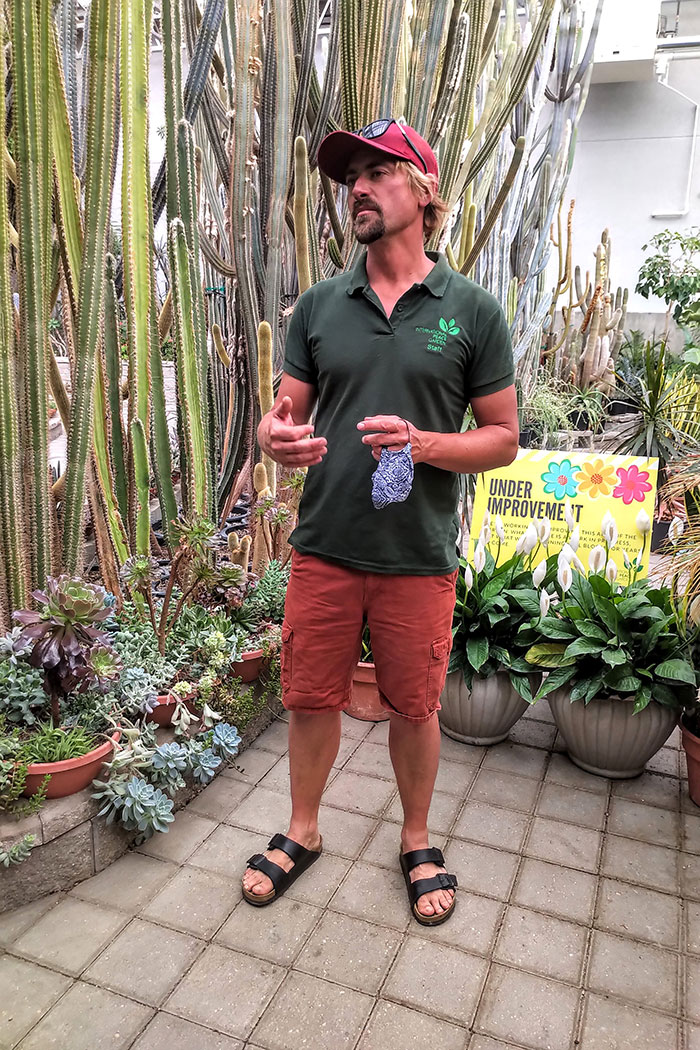
Johannes, curator of the IPG cactus collection. 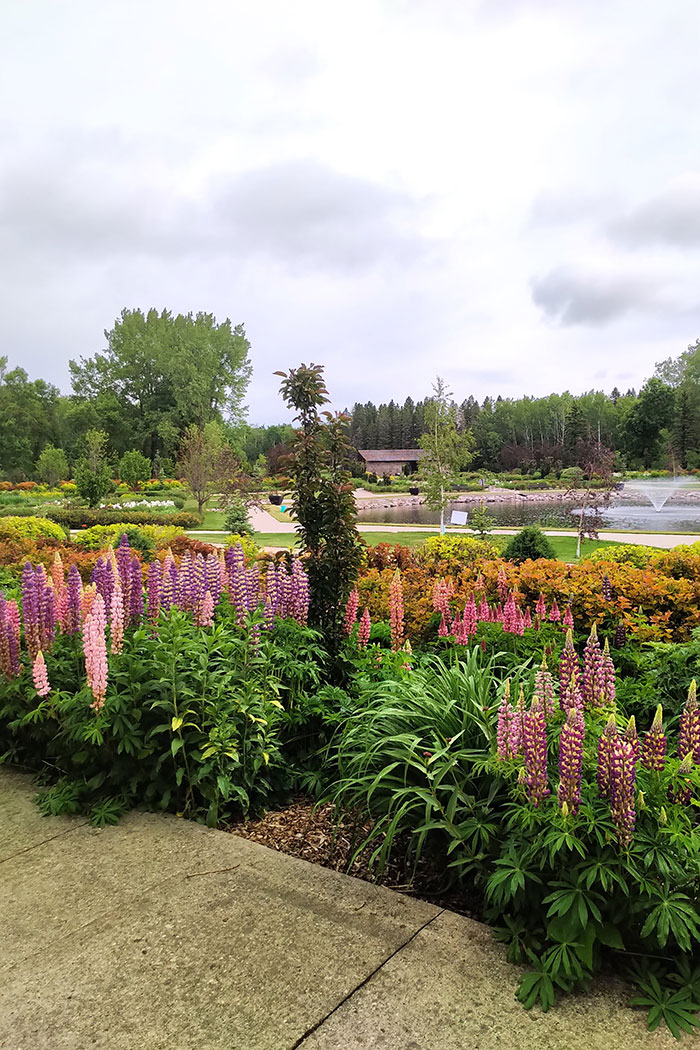
June in the garden. 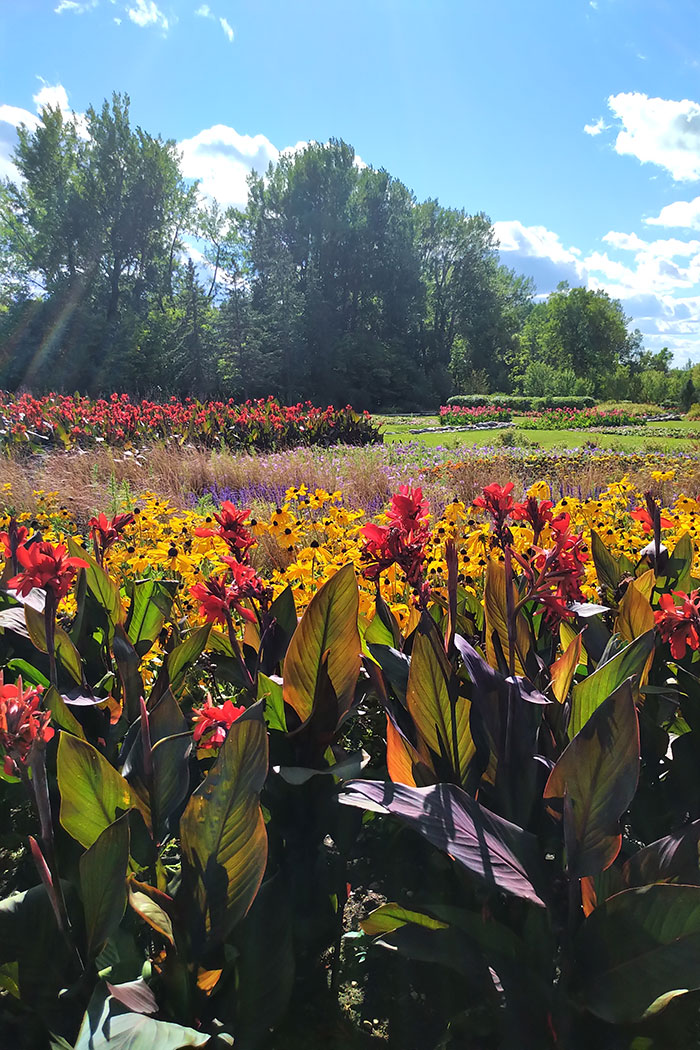
Late August in the Garden. 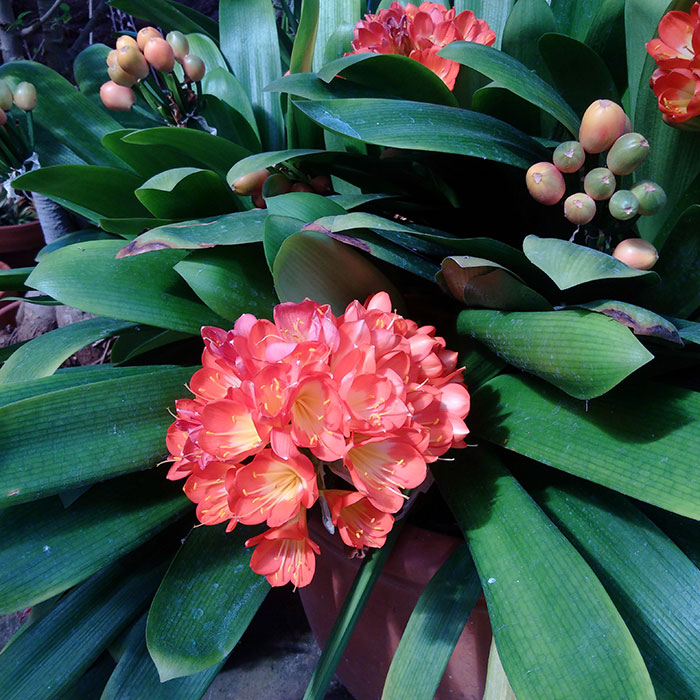
Late winter is the best time to see flowering succulents. This is Clivia. 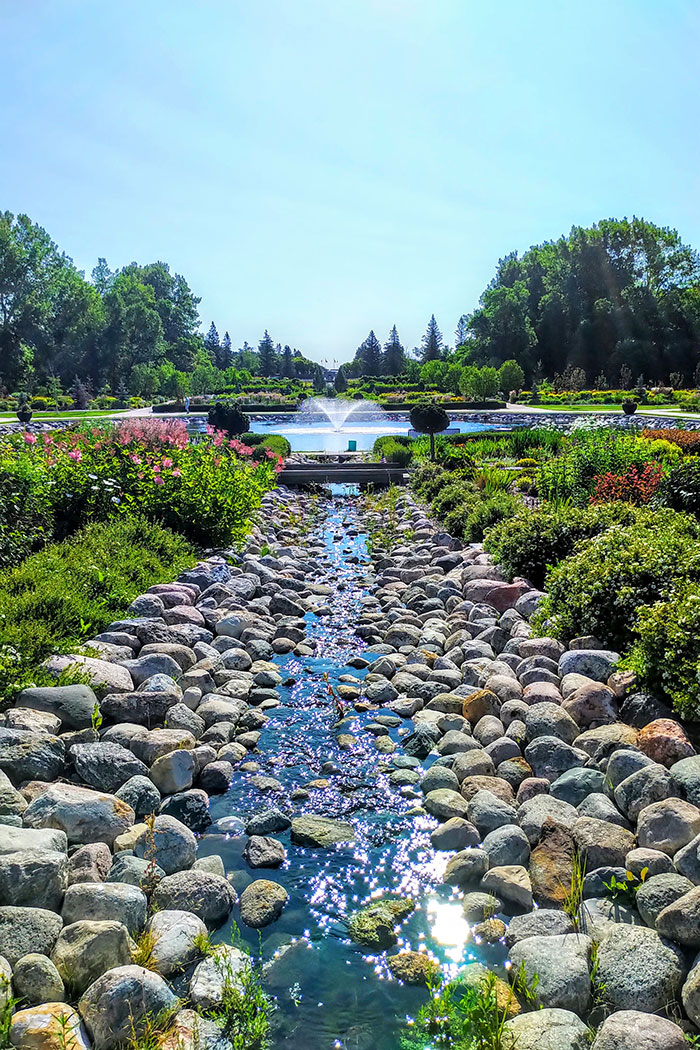
Looking down the 49th. Great place for a phots. 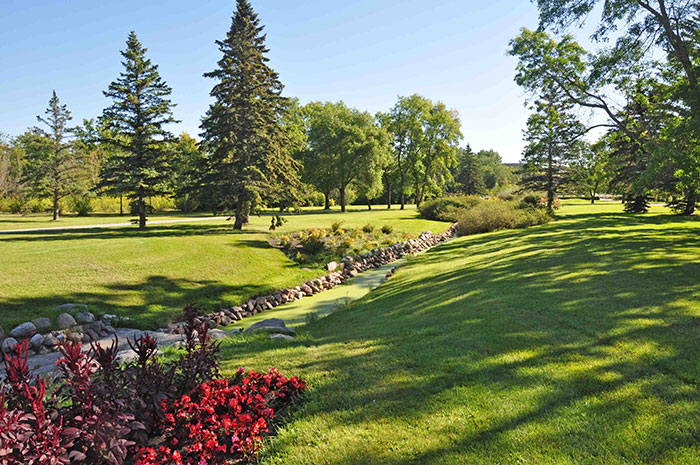
Looking down the 49th. 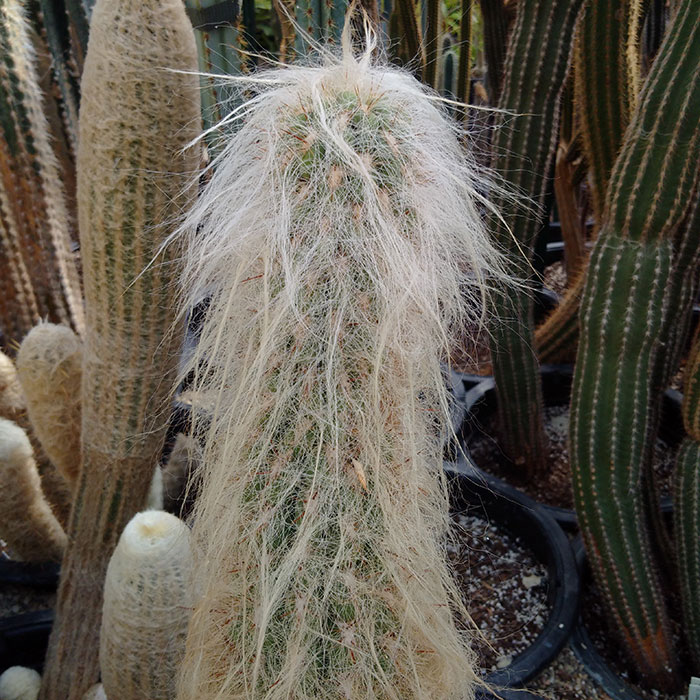
Old man’s beard cactus. 
One of th elovely lakes 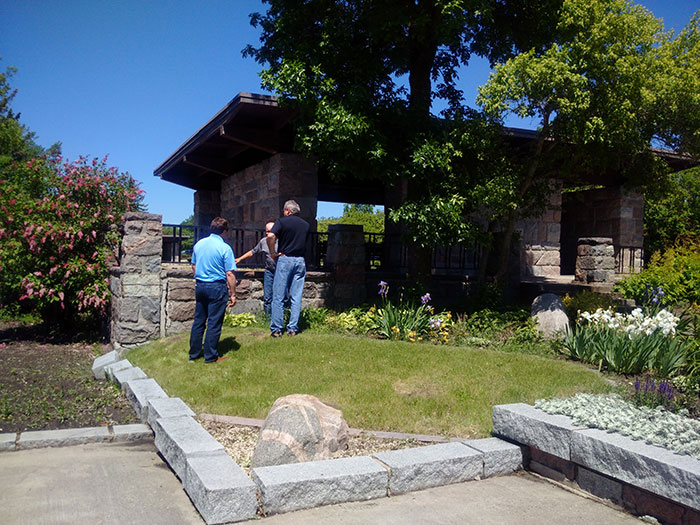
ONe of the many picni shelters. 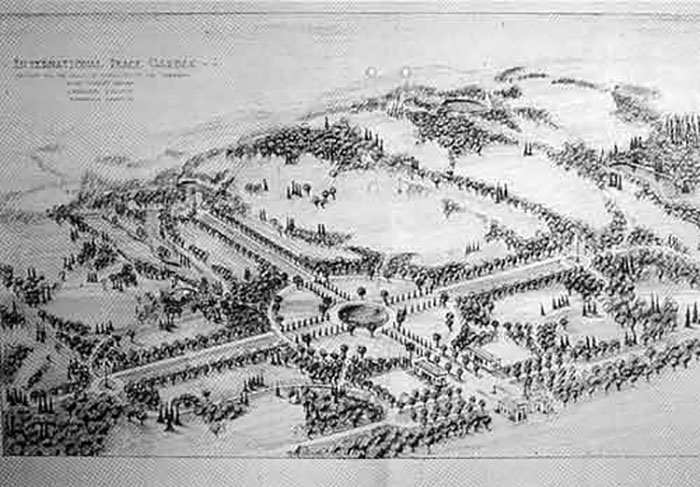
One of the original plans. 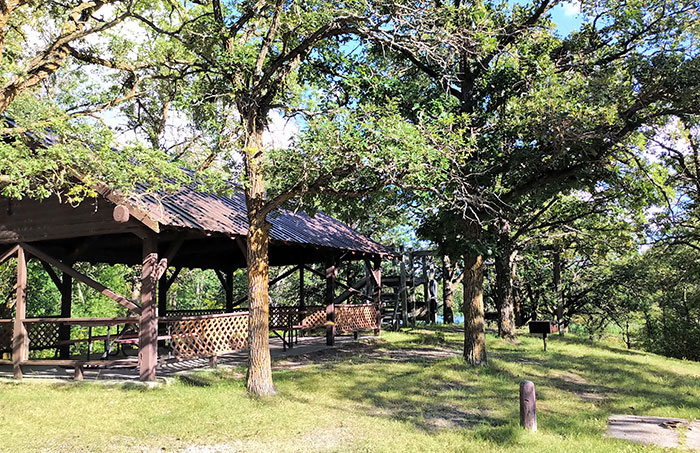
Womens Institute picnic shelter. 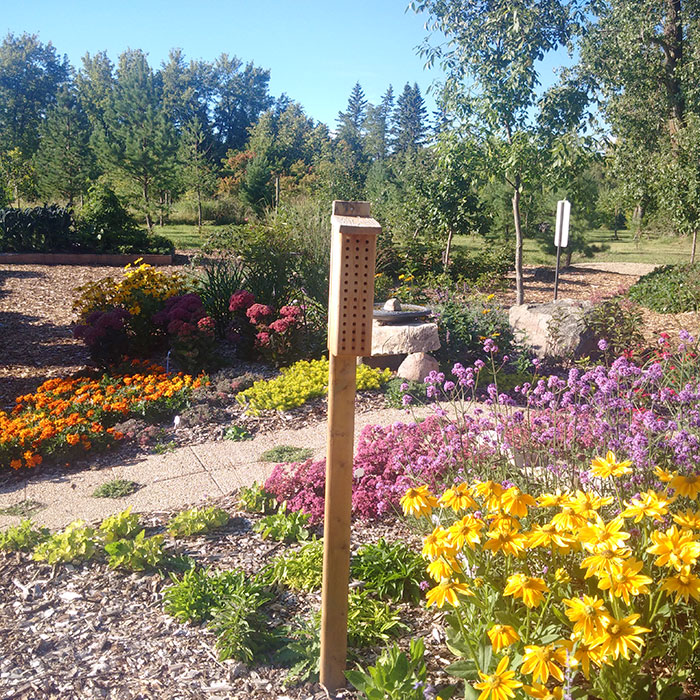
wildflowers and other pollinaotr plants. 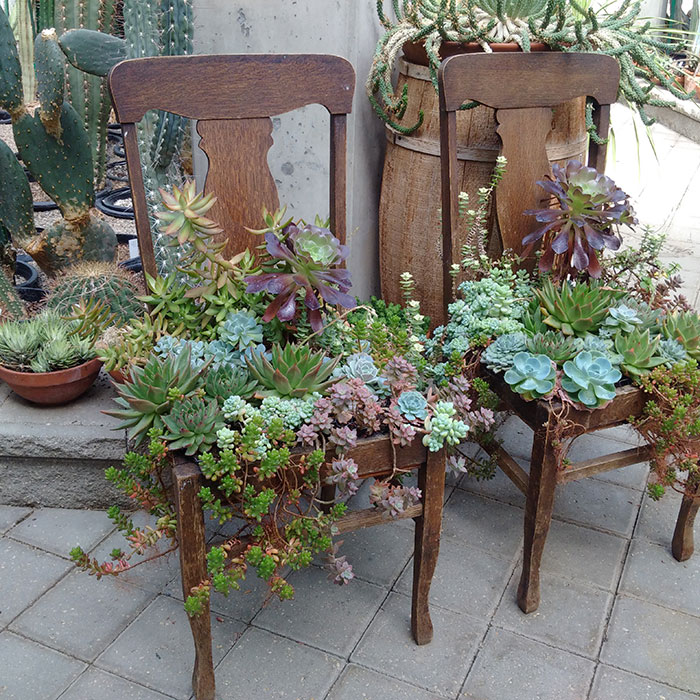
Whimsical dispaly. 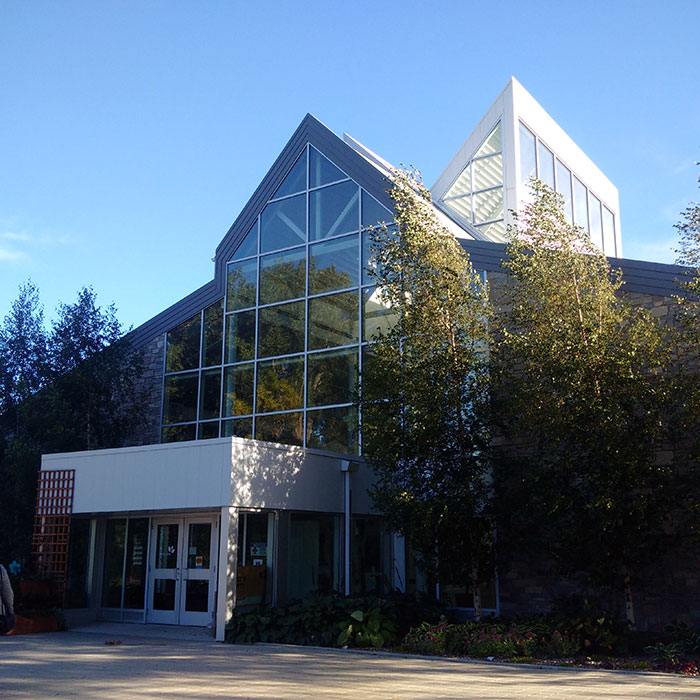
View of the conservatory. 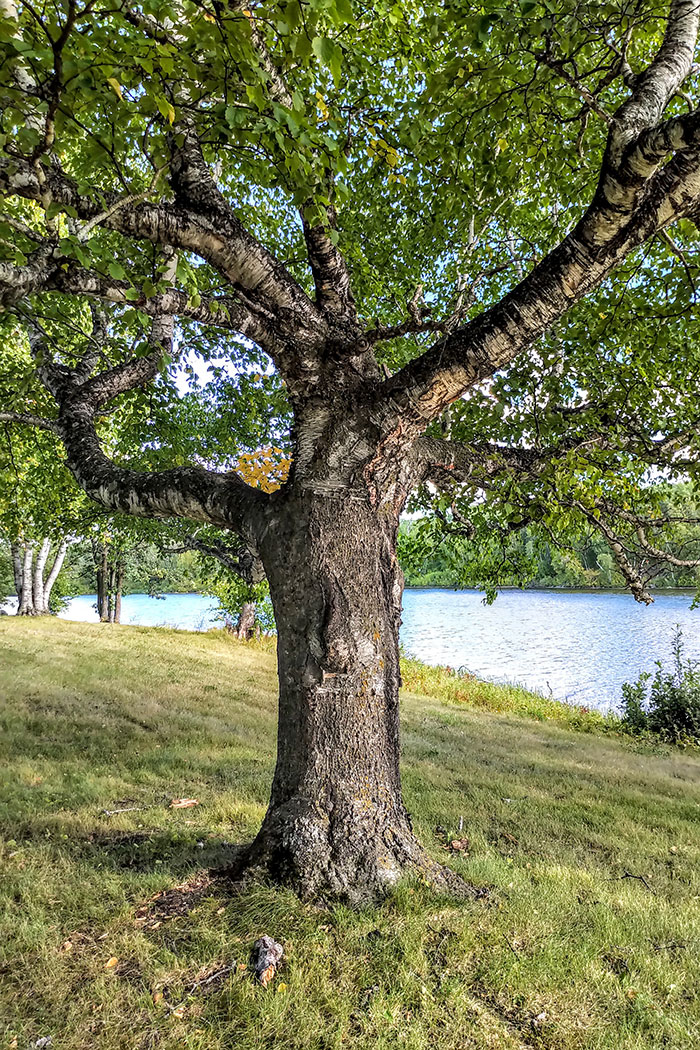
Very old tree. 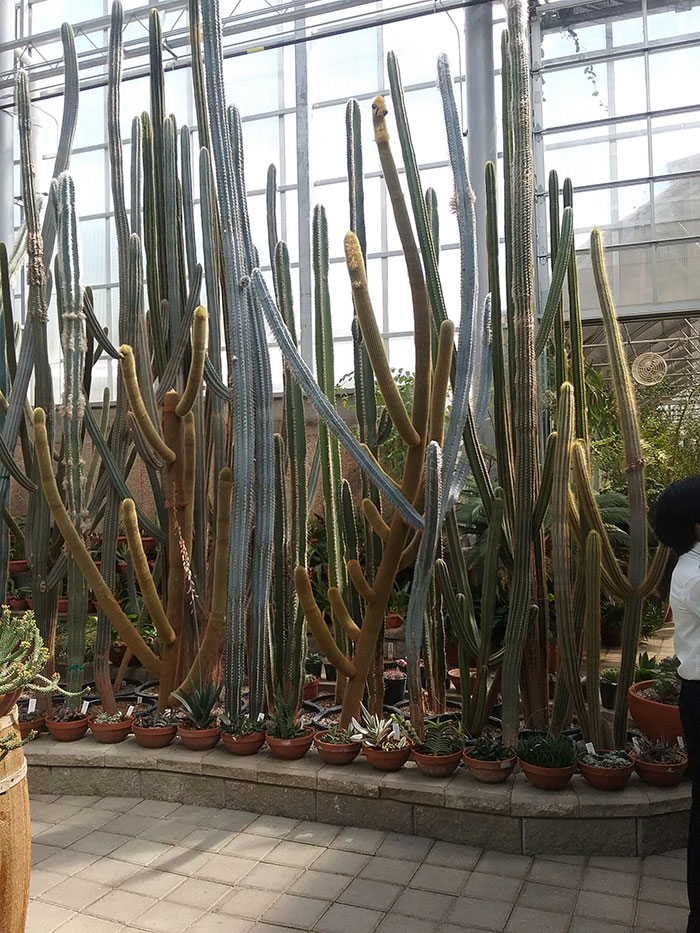
These cactus can grown over 20 feet and often have to be cut back. 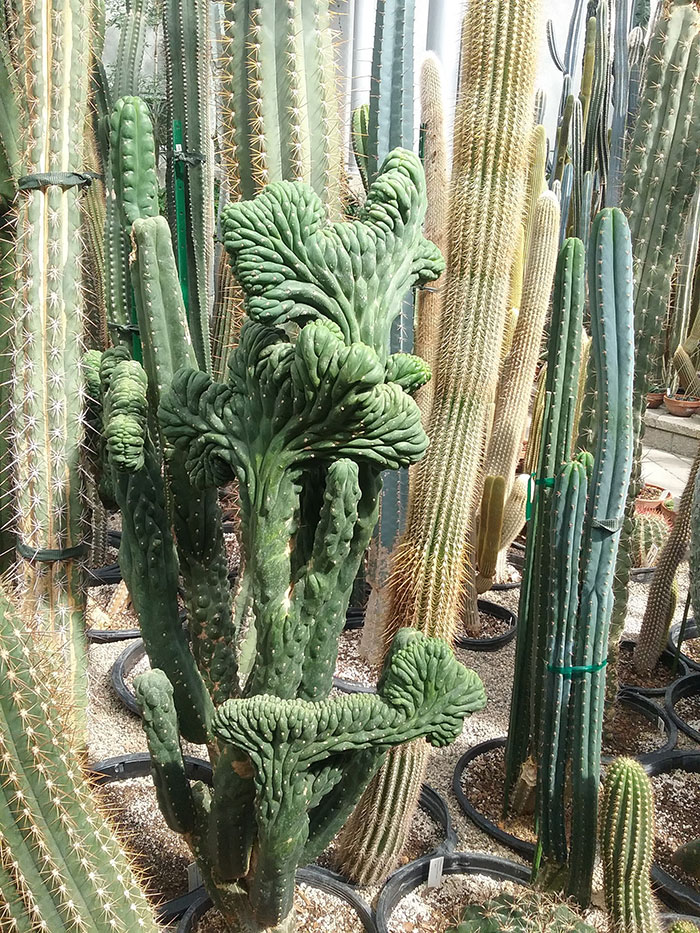
There are amazing cactus to see at the Garden. 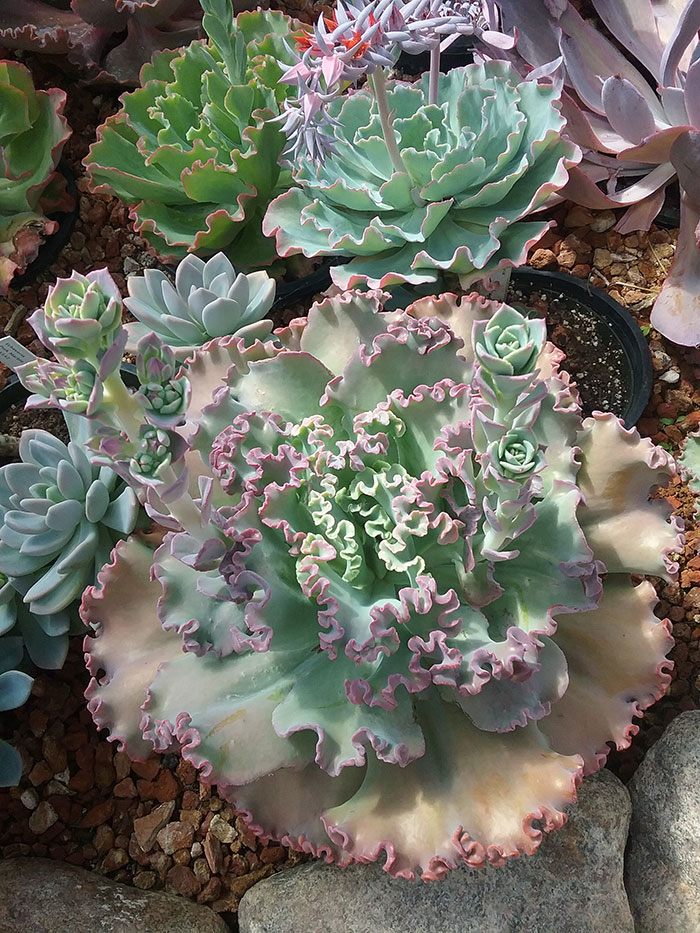
The succulnets collection is exciting. 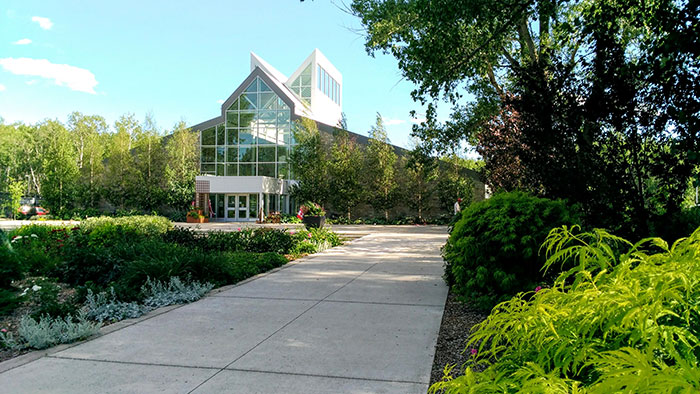
The lovely conservatory. 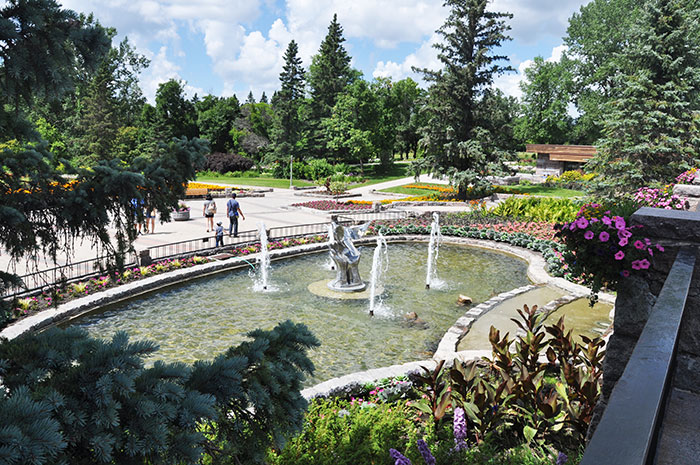
The Hands of Peace. 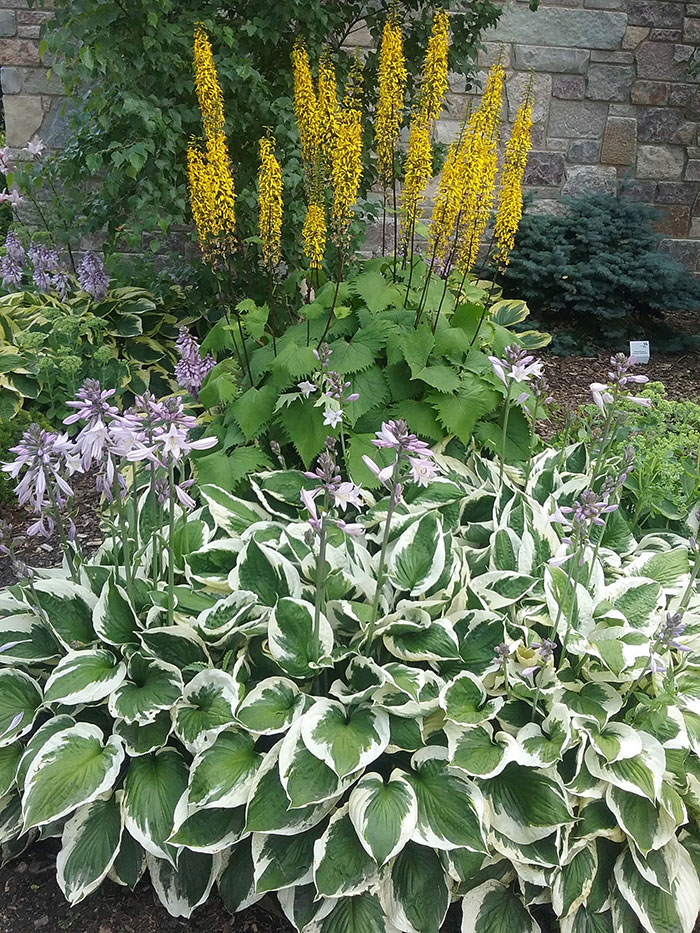
The Garden is a great place to see what grows in zones 2 and 3. The Rocket Ligularia and hosta. 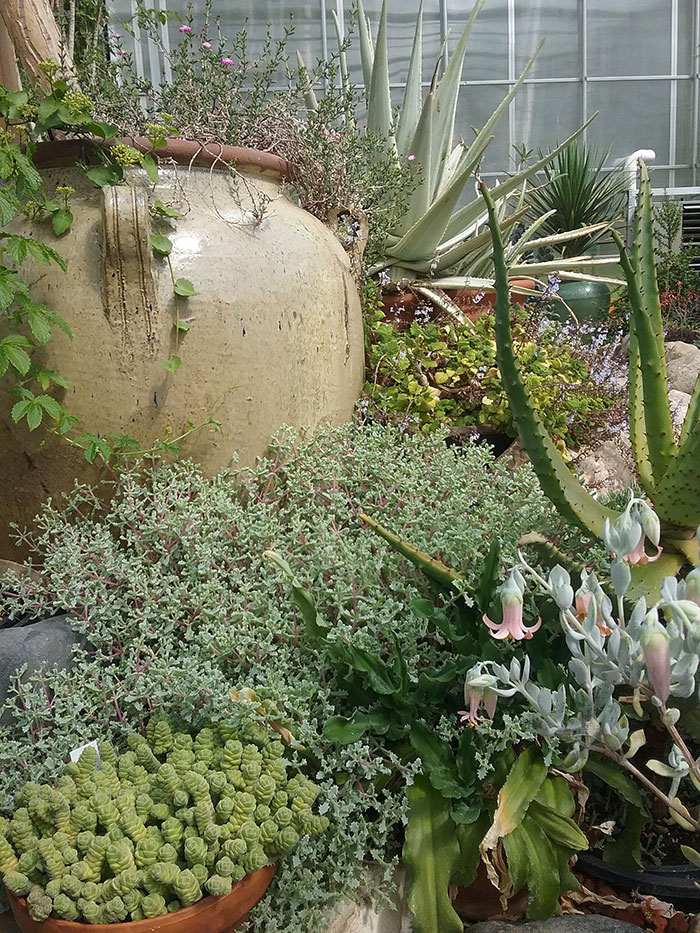
The conservatory is a haven for winter visitors 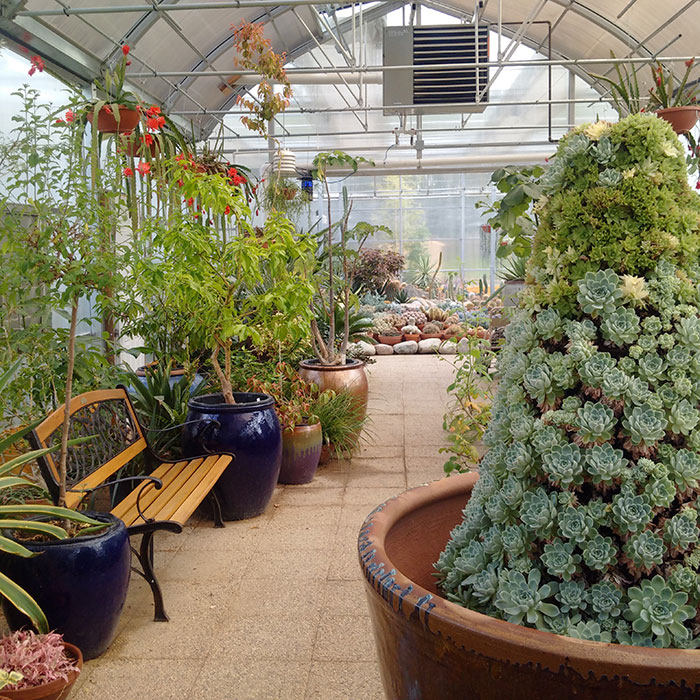
Succulents in the fabulous International Peace Garden collection. 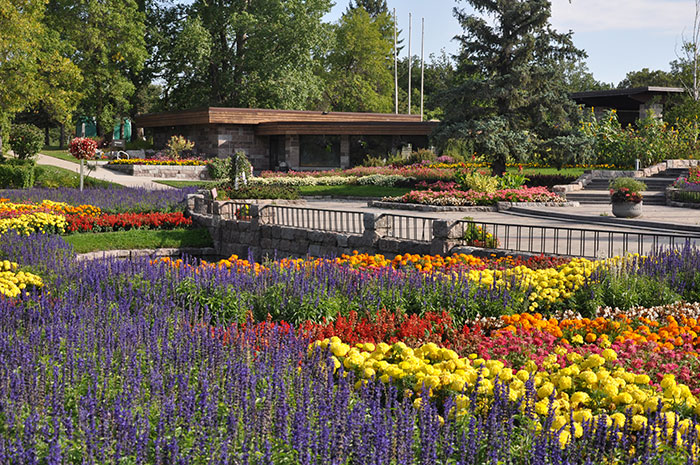
Spectacular bedding plant displays. 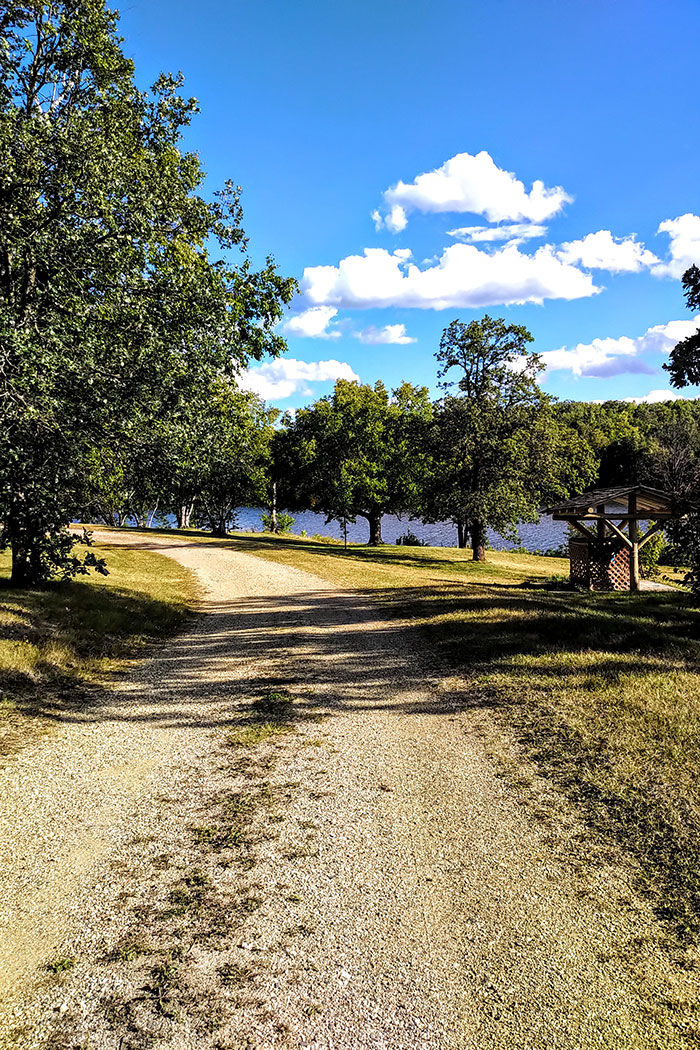
Road into Womens Institue picnic grounds. 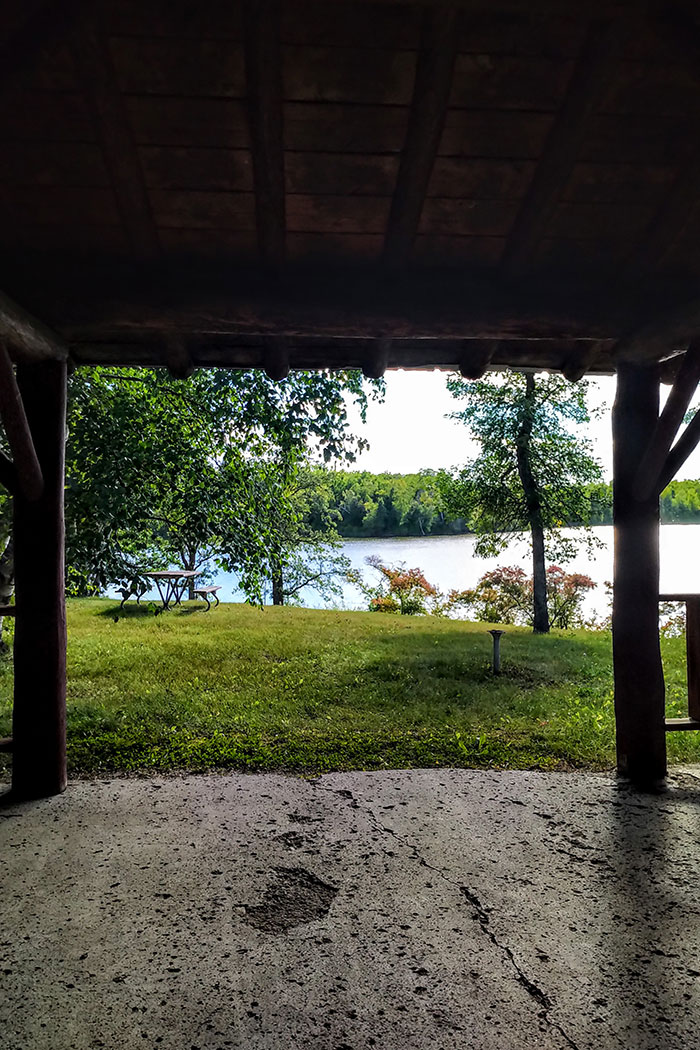
Picnic area in one of the remoter locations. 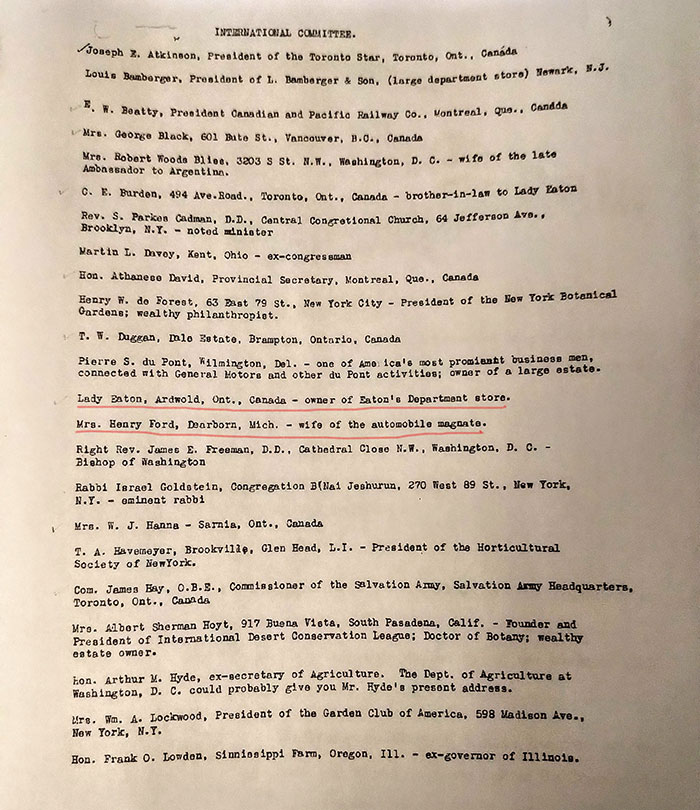
Part of the original boar, Note Mrs. Ford and Lady Easton. 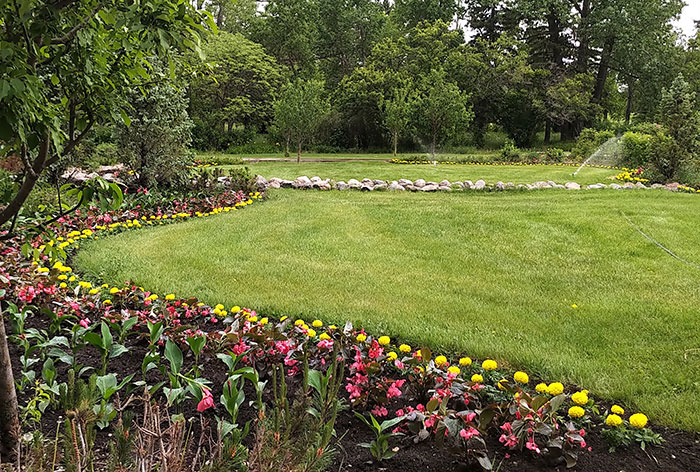
Part of the 2020 display,. 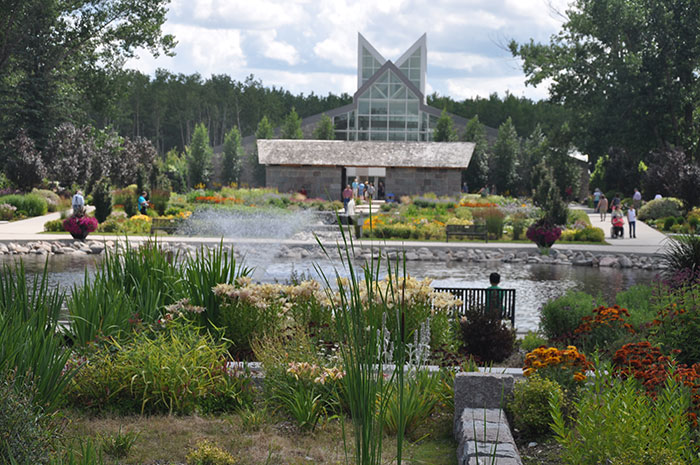
Overlooking the fountains to the Conservatory from the north side. 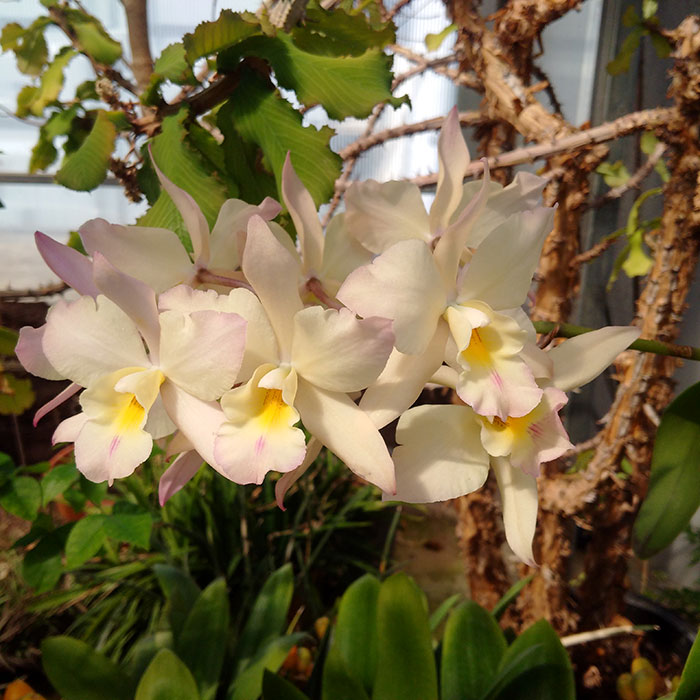
Orchid lovers will not be disappointed.