By Marianne Cerilli
For the election in Winnipeg a number of groups have been working to ensure issues of importance are addressed by candidates running for city council. One effort is the People’s Climate mandate – a non-partisan municipal election advocacy agenda led by a coalition of organizations brought together by Climate Reality Project Canada, led by Hannah Muhajarine.
These groups include Canadian Association of Physicians for the Environment, Green Action Centre, Little Mountain Conservancy Group, Manitoba Eco-Network, Manitoba Energy Justice Coalition, Seniors for Climate MB, and the Transportation and Land Use Coalition, which I chair.
This climate agenda for Winnipeg was developed through a public townhall, public survey, background research, conversations with organizations and grassroots groups. It aligns with other ongoing advocacy campaigns for an agenda that represents the broad actions the city should take in the next four years to build a climate-friendly, sustainable, liveable city.
The Guiding Principles of the People’s Climate Mandate include:
1. Lowering GHG Emissions and Increasing Resilience to climate changes and impacts like heat waves, wild fires and smoke, flooding, drought and water restrictions.
2. A Green City that operationalizes and understanding that our health is tied to the health of our environment.
3. Democracy, Transparency, and Accountability, based on an understanding that changing course on these ten areas requires a commitment to civic engagement.
4. Urgent, Timely, and Tangible which are important principles for our city actions.
At the time of writing this column the responses to the candidate survey are still being gathered, with most mayoral and ward council candidates completing the survey to show their support for the recommendations in ten areas. The release of the results in early October will demonstrate for the public which candidates commit to making climate action and a just transition a priority for Winnipeg Council.
More details and the candidate survey results can be found on the website at https://www.climatereality.ca/peoples-climate-mandate Below is a summary of the ten priority areas.
1. Fund the updated Winnipeg Climate Action Plan. Ensure the updated Climate Action Plan (expected summer 2027) receives adequate and consistent funding through the city’s multi-year budget and annual updates.
2. Increase participation and accountability in the city budget process. Ensure that public engagement in the budget process follows the Engage Winnipeg policy; and create a stronger accountability framework that demonstrates how the items in the budget align with Our Winnipeg 2045, the city’s climate plan, and other foundational policies.
3. Protect residents from extreme heat. Expand measures for protecting residents from extreme heat, including by exploring a maximum heat bylaw, and funding additional cooling centres, expanded library hours, and public pools and spray pads.
4. Plan for liveable, connected neighbourhoods where we can bus, bike, and walk. Ensure planning decisions and investments align with the city’s goal of encouraging more people to choose sustainable transportation over private vehicle use.
5. Ensure transit service is reliable, frequent, and efficient. Increase operational funding and advocate to the province for the return of the 50-50 agreement, and implement infrastructure and street design that prioritizes the efficient movement of buses throughout the city.
6. Accelerate the completion of the cycling and pedestrian network. Increase funding for active transportation in order to fill in gaps in the cycling and pedestrian network and upgrade cycling infrastructure.
7. Accelerate energy efficiency and clean energy use in buildings across Winnipeg. Explore available policy tools for phasing out natural gas and increasing energy efficiency, for both city-owned and community-owned buildings.
8. Expand and protect the city’s trees, greenspace, and waterways. Maintain and enhance the Winnipeg Urban Forest budget, complete the Greenspace Plan and Biodiversity Policy without further delay and dedicate funding to its implementation, and implement measures for protecting trees, greenspace, and waterways on private property.
9. Reduce food waste across the city. Ensure the rollout of the residential green cart program stays on track for 2030, and that the service is expanded to include multi-family buildings as soon as possible. Implement additional measures to divert usable food and reduce food waste across the city.
10. Strengthen the local sustainable food system. Complete the Agriculture and Food Strategy and explore additional opportunities to support urban agriculture, local food production, and the local food economy, as recommended in the Food Systems Snapshot report by the Winnipeg Food Council.
The People’s Climate Mandate also supports the Alternative Municipal Budget: Weaving a Better Winnipeg, which shares many of the same objectives and shows how they will be paid for using current city budget revenue and spending allocations. https://www.policyalternatives.ca/projects/manitoba-alternative-budgets/
These community driven civic projects demonstrate the democratic capacity of local people to engage in civic politics beyond voting to ensure issues affecting our city like climate change and equity are given the attention they deserve and require. In many cases meaning candidates when elected will fund and follow public policy that has been passed.
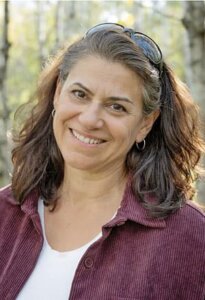
Marianne Cerilli is an educator, and former MLA working in community development and social innovation. Listen to Marion on CKUW radio, or check out her website at Mariannecerilli.ca.