
By Marianne Cerilli
The Manitoba NDP government is playing checkers with consumers and grocery store multinationals when they need to play chess. Junk food PST tax cut is short sighted.
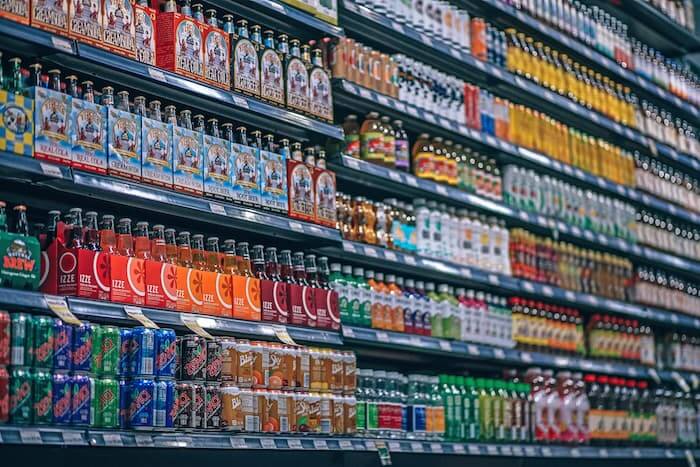
First the numbers for a cost benefit analysis on the Provincial Sales Tax (PST) cut on in store prepared foods. Most grocery staples like fresh fruit, vegetables, meat, dairy, bread, and eggs are already exempt from PST. The new PST exemption includes junk food, deli, fruit and veggies trays. Things families stretching their dollar would avoid as these prepared foods are where grocery stores are inflating prices the most.
Second it only applies to large grocery chains, not smaller retailers, like the ones, many low-income folks without a car rely on. This tax cut approach is not progressive when considering the cost benefit impact. The average family will save little per month, about $20, but the collective impact on the provincial budget is $24 million.
Like the NDP gasoline sales tax cut, which has cost the government about a $1 billion by now, these tax cuts are eroding public assets and contributing to doubling the Manitoba government deficit. These tax cuts on grocery PST contribute to Manitoba government’s revenue problem and an are simplistic tactic, like other tax cuts, of buying votes with our own money. And like the gas tax cut, the PST cut on junk and deli does not encourage healthy options like transit, active transportation, and eating whole foods not highly processes foods.
We need systemic supply chain solutions to inflation that intervenes where the profit and price gouging are happening. Otherwise, the government is using public funds to subsidize the profits of the multinational grocery chains.
Analyzing the drivers of food price inflation show some troubling trends. On the positive side the government the Manitoba is trying with new legislation, to address the use of surveillance systems on digital price tags that allow for differential pricing or using consumer data to set the price at the most profitable or the highest price people will pay for that product.
More of this approach is needed to also get at security costs to address food theft. Off-duty police officers are costing retailers $1,200 an 8-hour shift. When considering there are two officers plus security guards at hundreds of grocery stores in Manitoba, the cost of added security onto our groceries is significant. It is unclear how these costs compare to the costs of theft or “shrinkage”. Spending on police rather than addressing poverty even more problematic when considering that $1200 per shift for a police office per shift is more than a person on welfare has to live on for an entire month.
So far, the attempts to address retail theft have focussed on policing and suppression not on addressing the poverty, trauma, addictions and desperation that drives people to steal food. Now there is the problem of food theft includes more organized crime as well, with people stealing meat and other food for resale.
Besides surveillance and security costs, adding to our food prices, there are costs for transportation, due to rising fuel prices, plus there are food production input costs for farmers, seed, fertilizer, equipment, insurance coverage for more droughts and floods, made worse by climate change. There are more costs for manufacturing and packaging, and other costs.
But the demand for ever increasing shareholder profits among grocery chains is likely the worst driver of inflation. Competition between chains is not working to dive down prices. The problem of inflations is baked into the system and there are no downward pressures. When you see the word inflation it really means growth in profits.
The ideas for social programs and taxing profits, and even the cost of a public option for groceries being developed by the new Mayor of New York, Zorhan Mamdani and NDP Leader Avi Lewis have costs. But are worth considering.
We need the government to take systems change approach to the rising cost of living, not put a Band-Aid on a haemorrhage. This systemic approach will require new collaborative efforts between farmers, labor unions, community and consumer groups alongside governments to stand up to multinational corporations, their shareholders and financial institutions that are profiting from food price inflation.
The same goes for inflation in housing and other areas due to financialization, commodification and privatization of everything. Our governments in Canada must leverage with labour and the community to create systemic solutions or we are just digging ourselves deeper into a growth economics hole and inflation hole.
Marianne Cerilli is an educator, and former MLA working in community development and social innovation.
Mariannecerilli.ca. Listen to Marion on CKUW radio.
To go back to the main menu, click here.